

POWER QUALITY
Understanding
Surge Protection Devices (SPDs) solve one specific problem: voltage surges.
Click any tile below to learn about different power quality issues and which solutions address each one. Understanding the difference between surges (transients), undervoltage, harmonics, and other electrical problems helps you choose the right protection equipment.
Normal Operation
Clean Power
Ideal power quality with clean 60Hz sine wave

Voltage Sag
Brief Voltage Drop
Short-duration reduction in voltage

Power Interruption
Momentary Outage
Brief complete loss of power

Undervoltage
Voltage Sag / Dip
Temporary voltage drop below normal levels

Sudden voltage spike - what SPDs are designed for

Harmonics
Waveform Distortion
Distorted waveform from non-linear loads

Electrical Noise
RFI / EMI Interference
High-frequency interference on power line

Voltage Swell
Sustained High Voltage
Temporary increase in voltage above normal

Overvoltage
High Voltage Event
Voltage exceeds normal operating range

Normal Operation
Clean Power
Ideal power quality with clean 60Hz sine wave
Normal operation shows a clean sine wave at 60Hz with stable voltage. This is what your electrical system should look like under ideal conditions. No power quality issues present.
No solution needed - this is the goal
Solution:

Undervoltage
Voltage Sag / Dip
Temporary voltage drop below normal levels
Undervoltage (sag or dip) is a temporary decrease in voltage, often caused by large equipment starting up or overloaded circuits. You might notice lights dimming momentarily. SPDs cannot boost voltage - they only clamp high voltage. Computers may reset, motors may stall, and sensitive equipment can malfunction during voltage sags.
UPS, voltage conditioner, or proper wire sizing
Solution:

Electrical Noise
RFI / EMI Interference
High-frequency interference on power line
Electrical noise is high-frequency interference superimposed on the normal power waveform. It comes from switching power supplies, variable frequency drives, and RF interference. SPDs with filtering capability help somewhat, but dedicated filters work better. Audio/video equipment, data transmission, and measurement instruments are particularly affected.
EMI/RFI filters, isolation transformers, or power conditioners
Solution:

Voltage Sag
Brief Voltage Drop
Short-duration reduction in voltage
Voltage sags are brief drops in voltage lasting milliseconds to seconds. Common when large motors start or heavy loads switch on. Different from sustained undervoltage. Equipment may reset or malfunction briefly. SPDs do not address voltage sags.
UPS for sensitive equipment or dedicated circuits
Solution:

Voltage Surge
SPDs Protect Against This
Sudden voltage spike - what SPDs are designed for
Voltage surges (also called transients) are sudden spikes in voltage lasting microseconds to milliseconds. These overvoltage events are caused by lightning strikes, utility switching, and large equipment starting up inside your building.
Meter-Treater surge protection devices (SPDs) - also called surge suppressors - react in nanoseconds to clamp these voltage spikes before they damage equipment. Our Type 1/2 devices protect at the service entrance, while Type 3 units provide point-of-use protection.
Surge protection is the ONLY power quality issue that SPDs solve. For undervoltage, harmonics, or electrical noise, different solutions are required. Proper SPD installation requires grounding per NEC Article 250 and regular LED indicator checks.
✓ Meter-Treater Surge Protection Devices (SPDs)
Solution:

Voltage Swell
Sustained High Voltage
Temporary increase in voltage above normal
Overvoltage (or a swell) is a sustained increase in voltage lasting milliseconds to minutes. Unlike a surge, it develops slowly and persists. This happens when large loads disconnect suddenly or voltage regulation fails. SPDs have limited effectiveness because they're designed for brief spikes, not sustained elevated voltage. Continuous activation during a swell generates heat and wears out the protection components.
Automatic Voltage Regulator (AVR) or UPS with voltage regulation
Solution:

Power Interruption
Momentary Outage
Brief complete loss of power
Power interruptions are momentary outages lasting seconds to minutes. Unlike full blackouts, these are brief but can still cause equipment to reset or shut down. Data loss, process interruption, and restart issues are common. SPDs provide no backup power during interruptions.
UPS for ride-through or generators for backup
Solution:

Harmonics
Waveform Distortion
Distorted waveform from non-linear loads
Harmonics are distortions in the normal AC waveform caused by non-linear loads like computers, variable speed drives, and LED lighting. The waveform becomes distorted rather than a clean sine wave. SPDs don't address harmonic distortion. Problems include overheating transformers, nuisance tripping of breakers, and reduced efficiency.
Harmonic filters, K-rated transformers, or power factor correction
Solution:

Overvoltage
High Voltage Event
Voltage exceeds normal operating range
Overvoltage occurs when voltage rises significantly above normal levels. Can be caused by utility regulation issues, transformer problems, or load imbalances. Equipment may overheat, fail prematurely, or experience immediate damage. While SPDs may activate, sustained overvoltage requires different solutions.
Voltage regulation or AVR for sustained conditions
Solution:

Revealed Solutions:
Choosing the Right Solution
If you're seeing equipment damage after storms or when power comes back on: If you're seeing equipment damage after storms or when power comes back on: You likely have a surge problem. Meter-Treater surge protection devices (also called surge suppressors or transient suppressors) are the answer. Install Type 1/2 devices at the service entrance for whole-building protection against lightning and utility switching transients. Add Type 3 suppressors for expensive equipment like pool pumps, HVAC systems, or commercial refrigeration.
If lights dim when equipment starts or voltage drops for extended periods: You have undervoltage or brownout issues. SPDs won't help. Look into UPS systems with voltage regulation, or investigate the root cause such as wire sizing or circuit loading.
If you need backup power during outages: SPDs provide no backup capability. You need UPS for short-term backup or generators for extended outages. However, these backup systems may need surge protection too, especially at points where AC and DC meet (disconnects, inverters). While an SPD won't provide backup power, it will extend the life of your backup system when load switching or induced surges might otherwise damage it.
If equipment shows interference, buzzing, or erratic behavior: You might have electrical noise or harmonics. EMI/RFI filters and power conditioners address this better than SPDs.
Important: Proper Installation and Grounding
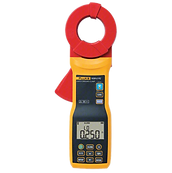
When adding surge protection, it will not prevent sags, brownouts, or filter noise. If you experience these power quality issues after installing an SPD, have a certified electrician review the connections. You may also need a grounding audit - proper grounding is critical for SPD effectiveness. Changes to the grounding system can affect how well your surge protection works.

Understanding the Technology
SURGE VS. TRANSIENT
Modern standards use "surge" while older documentation calls them "transients." Both refer to brief overvoltage events. IEEE and ANSI standards often use both terms interchangeably.
SPD VS. SUPPRESSOR VS. TVSS
-
SPD (Surge Protection Device) - Current UL standard terminology
-
Surge Suppressor - Common industry term, still widely used
-
TVSS (Transient Voltage Surge Suppressor) - Older UL designation, phased out in 1998
All three terms describe the same protective equipment.
WHY METER-TREATER?
While terminology has changed, our core technology hasn't - we've been manufacturing surge suppressors since the 1980s. Whether you call them SPDs, suppressors, or TVSS devices, Meter-Treater products provide the same proven protection against voltage transients that has protected electrical systems for over 40 years.


